Host City - Mumbai

Everything about this city is in the superlative: A city that never sleeps and is abuzz with activity.

Mumbai is a thriving metropolis on the shore of the Mumbai Harbour.
The city is a bustling, diverse metropolis with a flair all its own. The entrepreneurial spirit and pulsing pace of life provide a sharp contrast to much of the rest of India. It is also the financial capital of India and the capital of the state of Maharashtra.

Why should ICOH have the congress in Mumbai?

Mumbai is a compact mix of traditional and modern. A lively and varied place, this waterfront city boasts a vibrant and cosmopolitan identity. Few cities in the world leave visitors with such vivid impressions, whether it's the glitz and glamour of 'Bollywood', the spectacular array of Victorian buildings, the seaside rendezvous on Juhu Beach, or the maze of alleyways and streets of Mumbai.

With a regular influx of people coming in from rest of India, the citizens, popularly known as 'Mumbaikars', have remarkable tolerance towards other cultures, making it a true cultural melting pot and the perfect destination for ICOH 2027.

Mumbai is India in a microcosm. It is a unique combination of tremendous achievement and beauty.

Justification of holding ICOH 2027 in India – the world’s largest democracy with a population of 1.3 billion, 6th largest Manufacturing nation with a workforce of over 500mn. - is simply compelling.

Some Facts About Mumbai

  • Mumbai, the capital of Maharashtra state is India’s largest city with a population of over 20.6 million it is equivalent to the population of so many countries of the world.​
  • Mumbai is set to be the world’s second largest urban conglomeration by 2025.​
  • Mumbai is the commercial capital of India.​
  • Ranking 6th among the world’s top 10 billionaire cities and contributing 6.14% to the world’s GDP, it is the home to every major financial institution of India.
  • 40% of India’s foreign trade passes through Mumbai.
  • Bollywood Industry’s worth is approximated at USD 2.3 Billion
  • Bollywood produces over 1,600 films produced every year.
  • Bollywood Movies sell over 2.6 billion tickets sold worldwide.
  • The seven islands that came to constitute Mumbai were earlier home to communities of fishing colonies.
  • It was first ceded to the Portuguese and subsequently to the British East India Company
  • Bombay transformed into a major seaport on the Arabian Sea by 1845.
  • During the early 20th century it became a strong base for the Indian independence movement.
  • Despite its size, India has a single time zone.
  • It is 2-1/2 hr behind Hong Kong and Singapore
  • 5-1/2 hrs ahead of London (GMT),
  • 10-1/2 hrs ahead of New York
  • & 13-1/2 hrs ahead of San-Francisco
  • By Indian standard Mumbai is not hot, but humid. The variation across the year is minimal ranging between 15°C and 35°C i.e. 59°F and 95°F.
  • The temperature begins to drop slowly from late October with the minimum being experienced in January.
  • It is advised to convert required amount of money into Indian Rupees through authorized foreign exchange dealers only, and obtain a receipt for all such transactions.
  • This receipt enables repatriation of any unspent Indian money into foreign currency.
  • The currency is Rupee. All major international credit cards such as American Express, MasterCard, Visa and affiliates are accepted in most places in India.
  • Automatic Teller Machines (ATMs) offer a complete 24-hour service.
  • All Visitors coming from overseas will require visas which can be obtained from the Indian missions abroad.
  • Invitation letters will be issued on request to the delegates to facilitate visa and travel. All foreigners, with the exception of nationals of Nepal & Bhutan must have a valid passport (min 6 months) & visa to enter.

Things to Do in Mumbai

To everyone who lives in Mumbai, it is a magical city with a vibe that cannot be felt anywhere else. Mumbai does have something unique about it!

Mumbai Beach Tours
You can’t visit Mumbai and not have fun on its beaches. Of these, the two most popular are the Juhu Beach and the Chowpatty Beach. The former has metamorphosed from being a narrow sand bar off the coast of Salcette Island in the 19th century to one that has at its edge the most elite suburb of the city.
Walk in the Past
Museums in Mumbai have always been a big draw, offering great glimpses into not only the rich past of the city but the country as well. The city has over 15 museums catering to varied subjects such as archaeology, ancient art, natural history, science and technology, contemporary art, flora and fauna, and so on.
Bollywood Tour
For anyone who comes to Mumbai, Bollywood is always high on the sightseeing itinerary. But while you may not be allowed to enter the gates of any film studio on your own, there is now a wonderful way of going about it. Take the ‘Bollywood Tour’.
Gateway of India
Gateway of India is the major landmark of Mumbai City. Built in the 20th Century to commemorate the visit of King George V and Queen Mary to Mumbai. Located at the tip of Apollo Bunder, the gateway overlooks the Mumbai harbour that is bordered by Arabian Sea in the Colaba district.
Siddhivinayak Temple
Probably one of the most beautiful temples situated in Mumbai, the Siddhivinayak temple is definitely a must see in the city. Every day, more than 20000 devotees throng the temple to offer their prayers at the temple and on Tuesday special ‘puja’ and ‘darshan’ takes place. Bollywood celebrities too, visit Siddhivinayak to seek blessings.
Sanjay Gandhi National Park
Situated within Mumbai, Sanjay Gandhi National Park (SGNP) has the distinction of being a wildlife reserve in a metropolitan. The national park is spread over an area of 104 sq km, andis popular among wildlife and nature enthusiasts. It is also the most visited places in Mumbai , and get about two million people annually. The park was earlier known as Borivali National Park and was renamed in 1990 after Congress leader and late Prime Minister Indira Gandhi’s son Sanjay.
Powai Lake
Powai is an artificial lake situated in the Powai Valley in the northern suburbs of Mumbai which was named after Framaji Kavasji Powai Estate. This lake is one the beautiful places in the city and should not be on your visit to Mumbai. Located on the Salsette Island, next to the Powai village, Powai Lake is a calm and soothing spot where one can enjoy nature at its best.
Elephanta Caves
At a 10-km radius from Gateway of India is one of the major tourist places in Mumbai, the Elephanta Caves. The caves are said to be one of the oldest rock cut structures in the country and is a perfect example of archaic Indian art associated to the cult of Lord Shiva. It is said that the caves were adorned with sculptures between the 6th or the 8th century.
Colaba Causeway Market
An ideal place for street shopping in Mumbai, Colaba Causeway Market has ion offer cheap clothes, fashionable boutiques, British era buildings and of course good food. Everything that you can name can be found in this old market in Mumbai.
Victoria Terminus
Also known as Chhatrapati Shivaji Terminus (CST), this Victorian Gothic style edifice is situated in the heart of Mumbai City. Just like the Gateway of India, CST is an important landmark of Mumbai. Declared a ‘World Heritage Site by UNESCO in 2004, Victoria Terminus was built in 1888 and till today stand as one of the best examples of Gothic style architecture in India.
Haji Ali
One of the most important religious places in Mumbai. Haji Ali Dargah is truly a must-visit. The whitewashed structure is spread in an area of 4,500 meters and is flanked by marble pillars. Haji Ali is said to have miraculous powers and that whoever prays here gets his wish fulfilled. Therefore, throughout the year the place can be seen crowded by the believers.
Essel World
Reckoned to be one of the first amusement parks in India, Essel world in Mumbai is a place for everyone. Situated in the Gorai Island, Essel World is one of the biggest amusement parks with its colossal infrastructure and several exciting dry and wet rides. The park remains open all year round and fun activities that can be enjoyed here include ice skating, dancing and bowling.
Mount Mary Church
An ancient church, built in 1640 and then rebuilt in 1761, The Basilica of Our Lady of the Mount is also an important religious place in Mumbai. What adds to the charm of this church even more is that it is sited on top of a hill known as ‘Sunderban Bandra’, which overlooks the mighty Arabian Sea. It is believed that the church has healing powers and for this reason, the church is often flocked by devotees.
Global Vipassana Pagoda
Global Vipassana Pagoda is a large meditation complex and memorial in Mumbai. It was built to honour Lord Buddha. Completed in 2008, this sacred edifice is counted amongst the biggest stone monuments across the Asiatic continent and houses the sacred bone relics of Gautam Buddha in the main dome.
Banganga Tank
Banganga Tank is one of the prominent tourist attractions in Mumbai. It forms a part of Walkeshwar temple complex in Malabar Hill. As the water in the tank is regarded as the subsidiary of Holy Ganges, it is considered sacred and is believed to have healing powers. The tank is visited by thousands who wish to take a dip in the holy water and offer flowers at the Banganga Temple.
Mahalaxmi Dhobi Ghat (Laundromat)
Believe or not but this 140 year old Dhobhi Ghat (laundromat) is amongst one of the most popular places to see in Mumbai. Travellers actually make sure that they visit Dhobi Ghat on their trip to Mumbai. Mahalaxmi Dhobi Ghat is Mumbai’s biggest human-powered washing machine, where every day hundreds of people beat the dirt out of soiled Mumbai clothes and linen in 1026 open-air troughs.
Marine Drive - Queens Necklace
Known as Marine Drive, this tourist spot has also been called Sonapur by the locals of the city. Marine Drive is a 3km long stretch that links Nariman Point to Babulnath, and is situated at the foot of Malabar Hill. Large crowds of people come to this place to stride along the walkway and to view the setting sun at dusk.Marine Drive is also referred to as ‘Queen’s necklace’, because the street lights make the road look like a string of pearls and create an illusion of a necklace, when viewed at night from an elevated point.
Chhatrapati Shivaji Maharaj Museum
Also known as Chhatrapati Shivaji Maharaj Vastu Sangrahalaya, the museum is one of the most popular places to see in Mumbai. Prince of Wales Museum was built in the early 20th century and showcases several collections of ancient artworks, sculptures and artifacts in its galleries.
Chor Bazaar
One of the oldest markets in Mumbai, Chor Bazaar (Thieves’ Market) has a fascinating history that dates back to over 150 years. Located in South Mumbai, Chor Bazaar is a place to find stolen goods, just as the name suggests. You will usually find shopaholics thronging here as the goods can be bought here at throwaway prices.
Crawford Market
Crawford Market is another popular spot in Mumbai. It is said to be one of the best places to buy household items. The market was the main wholesale market till 1966. and was spread in 72000 sq. Yards. What catches the eyes the most here is the this splendid architecture of Norman and Flemish styles.
The Bandra–Worli Sea Link
The Bandra–Worli Sea Link is a 5.6 km long, 8-lane wide bridge that links Bandra in the Western Suburbs of Mumbai with Worli in South Mumbai. It is a cable-stayed bridge with pre-stressed concrete-steel viaducts on either side.

Mumbai the city that never sleeps is well connected with other interesting parts of incredibile india and also with several neighbouring countries offering exotic destinations Srilanka, dubai, nepal, singapore, maldives are all reachable by direct flights from mumbai and are ideal pre or post-conference destinations.

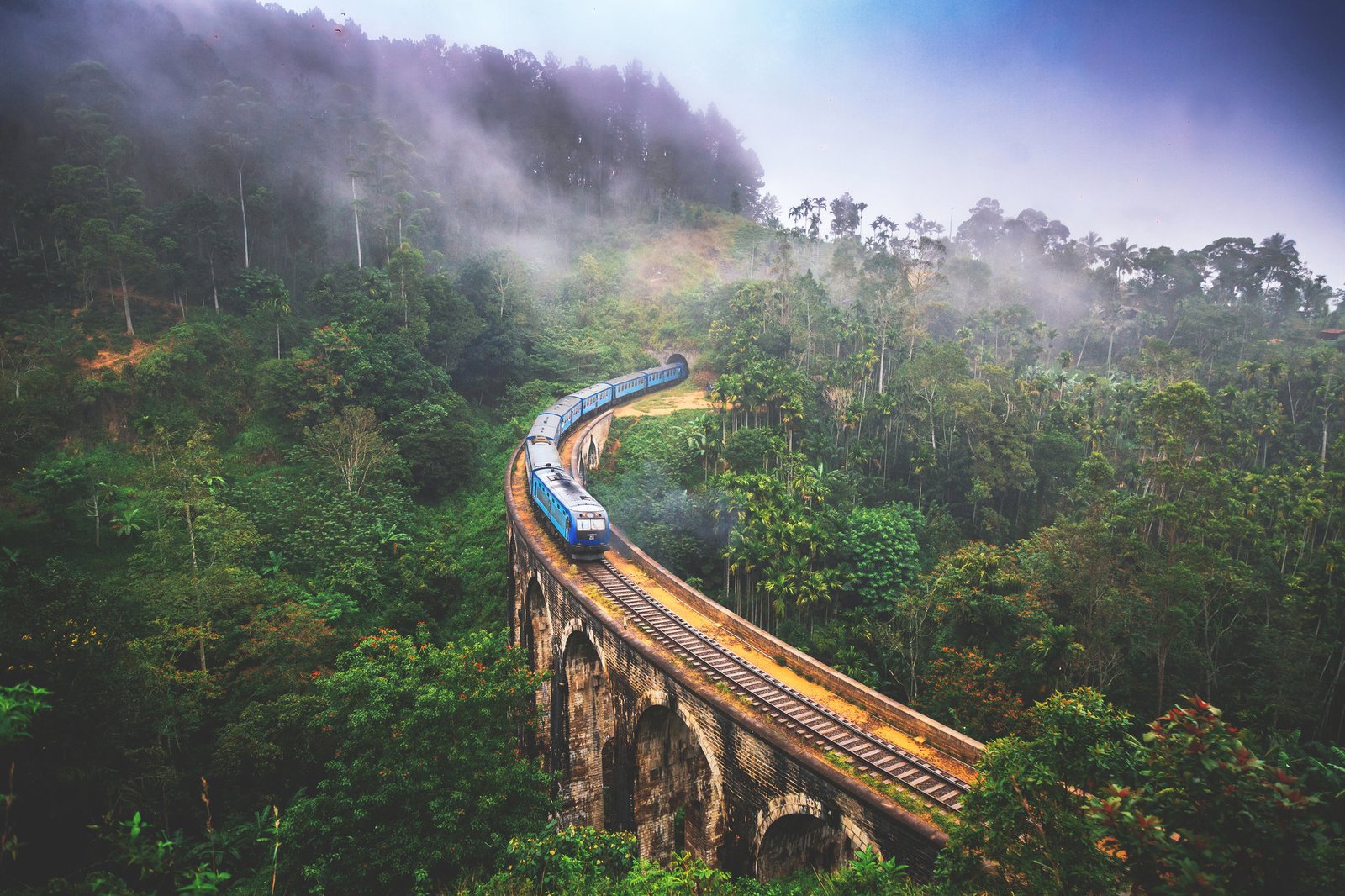
Sri Lanka

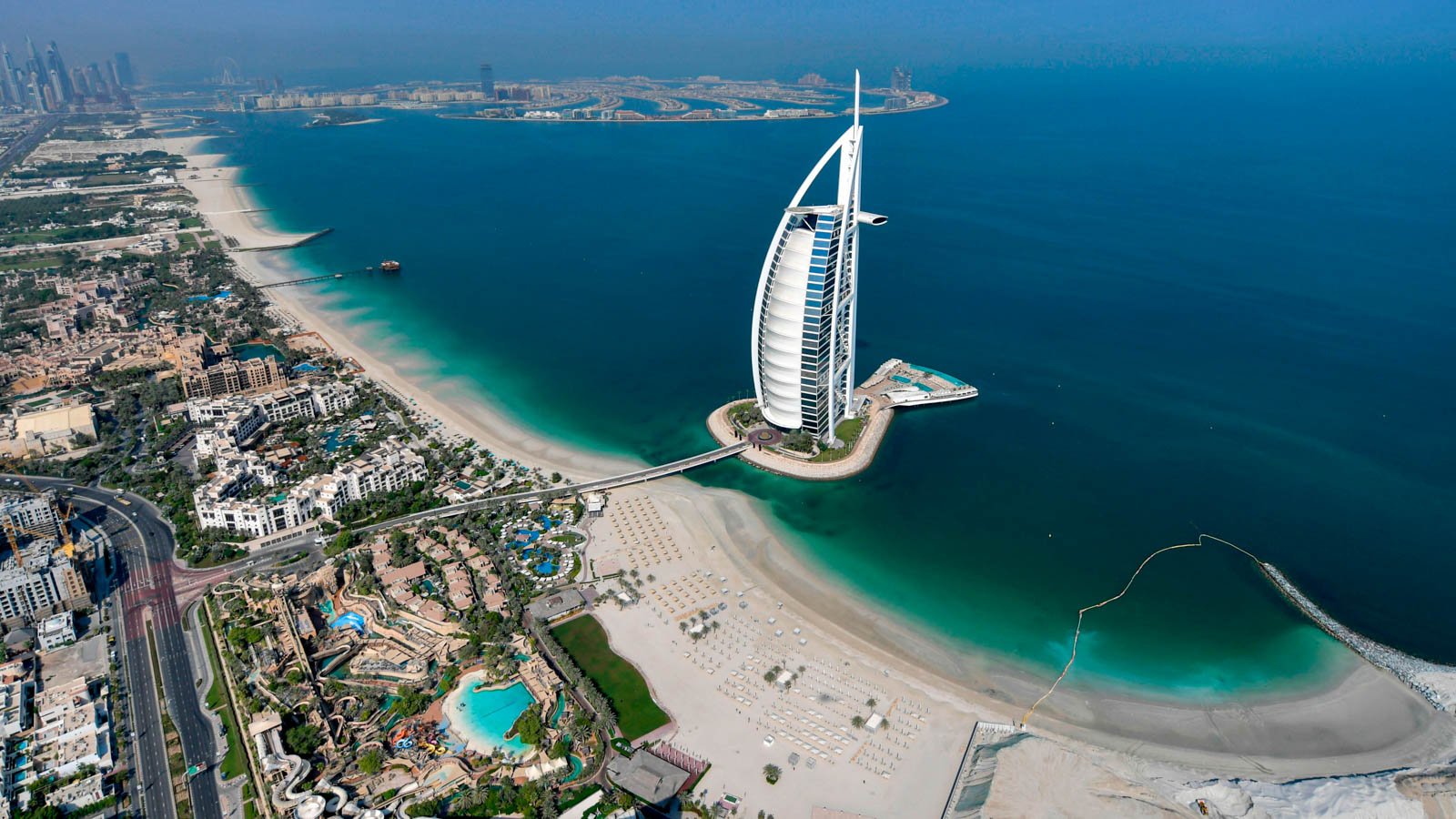
Dubai

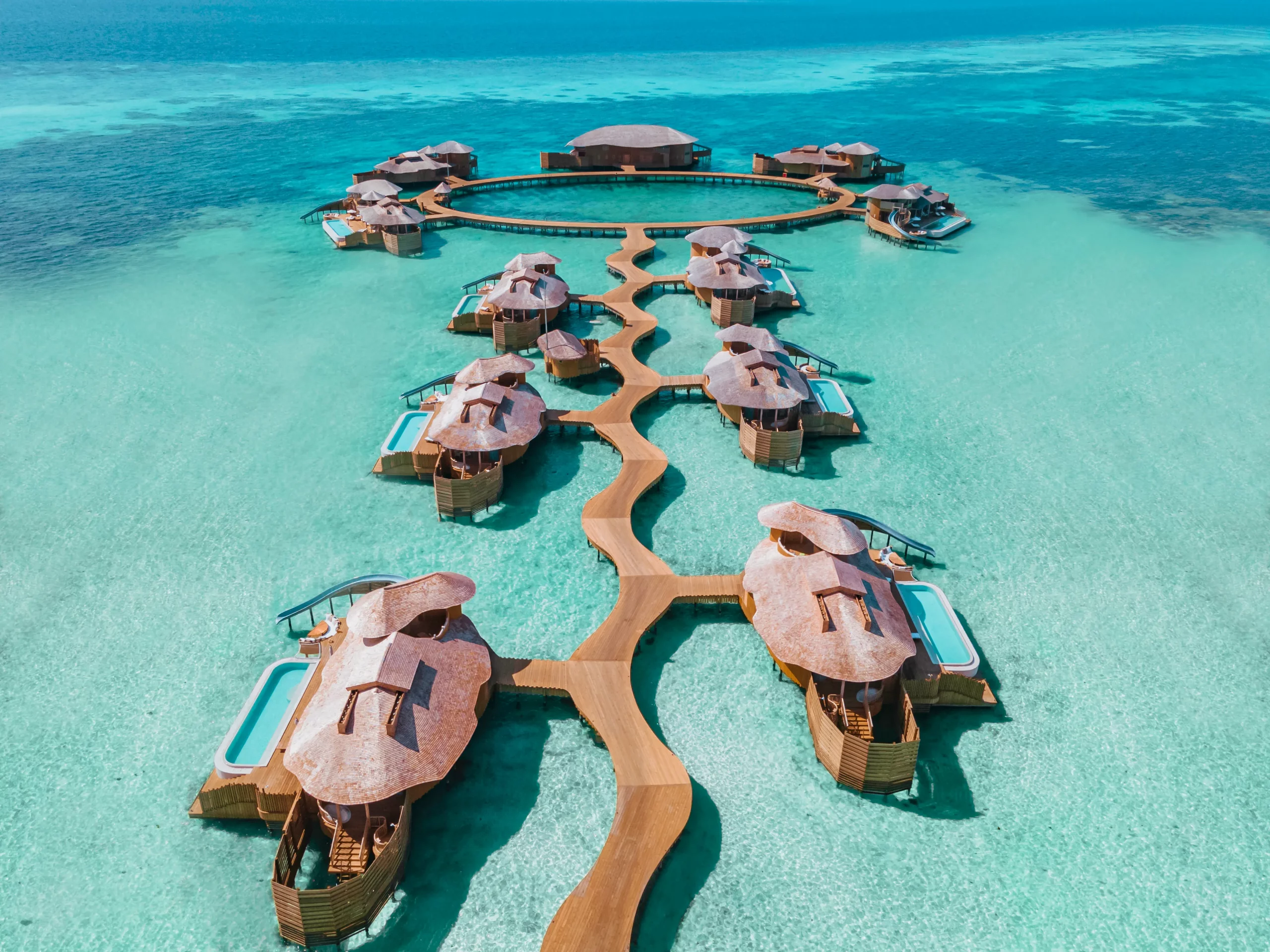
Maldives

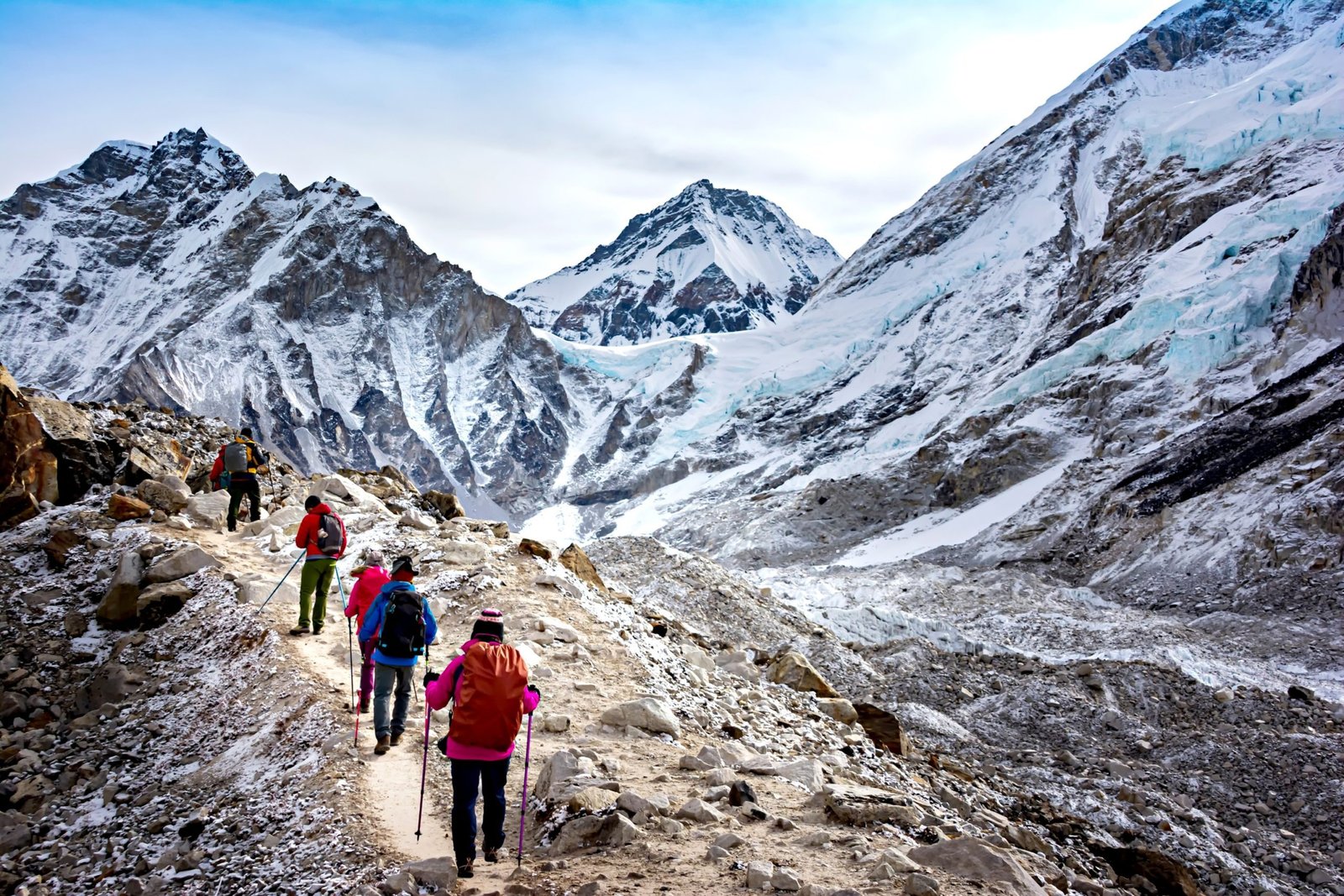
Nepal

Singapore

Spouse programs Mumbai

To everyone who lives in Mumbai, it is a magical city with a vibe that cannot be felt anywhere else. Yes, residents of other metropolitans might have raised eyebrows after this statement of mine but one has to agree with me that Mumbai does have something about it!

ONCE UPON A TIME IN BOMBAY - A HERITAGE WALK THROUGH FORT
Tourists, explorers and folks-with-no-plans-for-the-afternoon who think a crash course on the history of Fort and the history of Bombay’s geography might not be a bad idea. Books, coins, Buddha, Dante, the American Civil War, Mother Teresa, clock towers, fire temples, all find honourable mentions in this guided tour as we sift through history and dabble in myth, discussing personalities illustrious and some not so much, the people who shaped the area and the era and the buildings and monuments that still stand testimony to their spirit.
DEMONSTRATION OF INDIAN COOKING + SHOPPING TOUR
A special demonstration of Indian cuisine will be given on how to make the famous Indian curries, tinder dishes and other tasty cuisine along with a recipe book. After lunch, proceed on a shopping tour visiting cottage industries offering a diversity of Indian handicrafts and artefacts including a demonstration of the making of these handicrafts. Purchase the rich and pure Indian silk, the fanciest of cotton creations, stunning intricacies of miniature paintings, inlay works, carpets, jewellery, herbs, sandalwood and spices.... the list is endless, of course at a price astonishingly low in terms of foreign exchange.
MEHNDI
There is evidence that mehndi as a ceremonial art form originated in ancient India. Intricate patterns of mehndi are typically applied to brides before wedding ceremonies see here. The bridegroom is also painted in some parts of India, Pakistan, Nepal, Bangladesh and Sudan.